

Finding a balanced approach to maternal wellness involves nurturing both physical and emotional health before, during, and after pregnancy. Here are some key strategies:
- Prioritize Prenatal Care
Regular check-ups with your healthcare provider ensure both your health and your baby’s development are monitored and supported. - Maintain a Nutritious Diet
Eat a balanced diet rich in fruits, vegetables, whole grains, lean proteins, and healthy fats to provide essential nutrients. - Stay Physically Active
Engage in moderate exercise such as walking, swimming, or prenatal yoga to improve circulation, reduce stress, and boost energy. - Manage Stress and Emotional Health
Practice mindfulness, meditation, or seek counseling if needed to handle the emotional changes and challenges of motherhood. - Get Adequate Rest
Aim for sufficient sleep and rest periods to help your body recover and maintain energy levels. - Build a Support System
Connect with family, friends, or support groups to share experiences and receive encouragement. - Educate Yourself
Learn about pregnancy, childbirth, and parenting to feel more prepared and empowered. - Listen to Your Body
Pay attention to your physical and emotional needs, and don’t hesitate to ask for help or modify activities as needed.
By integrating these elements, you can create a holistic and balanced approach to maternal wellness that supports both you and your baby throughout this important journey.
Never to late to learn, once you gain the awareness, your body automatically accept the new changes of the lovely nest in your body. The whole body system is working on each other to search the balanced mode.
How Prenatal Yoga Classes Help Achieve Balance for Maternal Wellness
Prenatal yoga classes play a crucial role in promoting maternal wellness by addressing both physical and mental health needs during pregnancy. These classes offer tailored exercises that improve flexibility, strength, and posture, helping to alleviate common discomforts such as back pain and swelling. Beyond physical benefits, prenatal yoga incorporates breathing techniques and mindfulness practices that reduce stress and anxiety, fostering emotional balance. Experts highlight that consistent practice can prepare expectant mothers for labor by enhancing stamina and encouraging relaxation. Additionally, the supportive community environment in these classes provides valuable social connection and shared experiences. Through a combination of movement, breath, and mental focus, prenatal yoga creates a holistic approach that nurtures both body and mind during this transformative time.
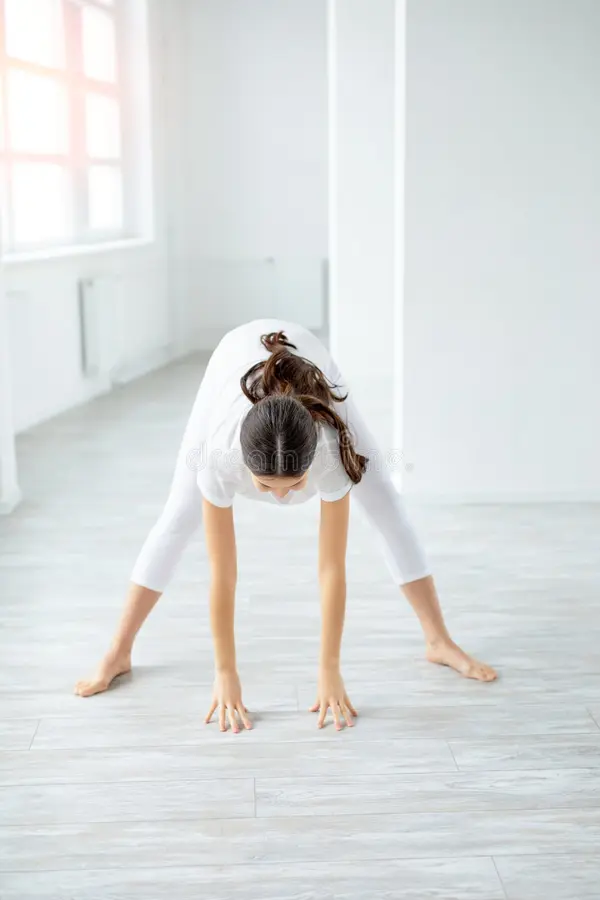
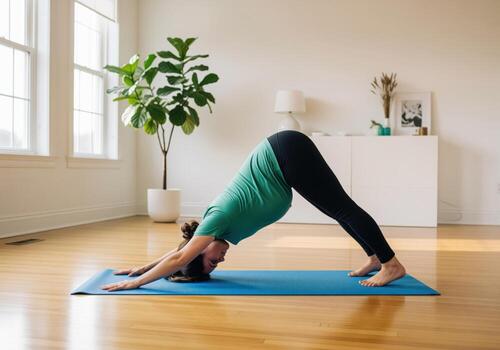
How Downward Dog Pose Benefits Pregnant Women
The Downward Dog pose offers several advantages for pregnant women when practiced safely. It helps stretch and strengthen the muscles in the back, shoulders, and legs, which can alleviate common pregnancy discomforts such as lower back pain and leg cramps. This pose also encourages better blood circulation, reducing swelling in the feet and ankles. Additionally, Downward Dog can improve posture and balance, supporting the body as it changes throughout pregnancy. However, it is important for pregnant women to modify the pose as needed and avoid overstretching, especially in the later stages. Consulting with a healthcare provider or prenatal yoga instructor can ensure the practice remains safe and beneficial. This gentle pose can be a valuable part of a prenatal fitness routine, promoting relaxation and physical well-being.
Practice with Precision and Purpose
In conclusion, practicing the correct prenatal yoga poses is essential for ensuring safety and maximizing the benefits during pregnancy. By focusing on proper alignment and mindful movements, expectant mothers can enhance their well-being, reduce discomfort, and prepare their bodies for childbirth. We encourage you to apply these principles in your prenatal yoga routine and stay attentive to your body’s needs. Prioritizing safety and technique will help you enjoy a healthier, more comfortable pregnancy journey.
Leave a Reply