

The importance of pelvic floor strength and flexibility during pregnancy cannot be overstated. The pelvic floor muscles support the bladder, uterus, and bowels, and during pregnancy, they bear increased weight as the baby grows. Strengthening these muscles helps prevent common pregnancy-related issues such as urinary incontinence and pelvic organ prolapse. Additionally, flexible pelvic floor muscles contribute to easier labor and delivery by allowing the birth canal to stretch more effectively. Maintaining pelvic floor health also aids in faster postpartum recovery, reducing the risk of long-term pelvic floor dysfunction. Regular pelvic floor exercises, such as Kegels, combined with proper stretching routines, are essential practices for expectant mothers to promote overall well-being and support a healthy pregnancy journey.
Self hypnosis, relaxation techniques, positive affirmation, visualization…these techniques is very helpful during my contraction- Heather Mandis
My class will teach how hypnobirthing works. The Hypnobirthing is a childbirth education method that uses self-hypnosis, relaxation, and breathing techniques to help pregnant individuals manage pain and anxiety during labor. It aims to create a calm, positive, and natural birthing experience by reducing fear and tension. Hypnobirthing teaches expectant parents how to enter a deeply relaxed state, which can ease contractions and promote a smoother delivery. This approach often includes guided visualizations and affirmations to build confidence and reduce stress. Many find hypnobirthing beneficial for enhancing comfort, shortening labor, and improving overall birth satisfaction.
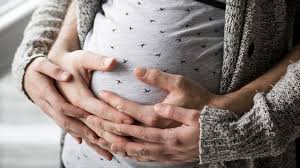
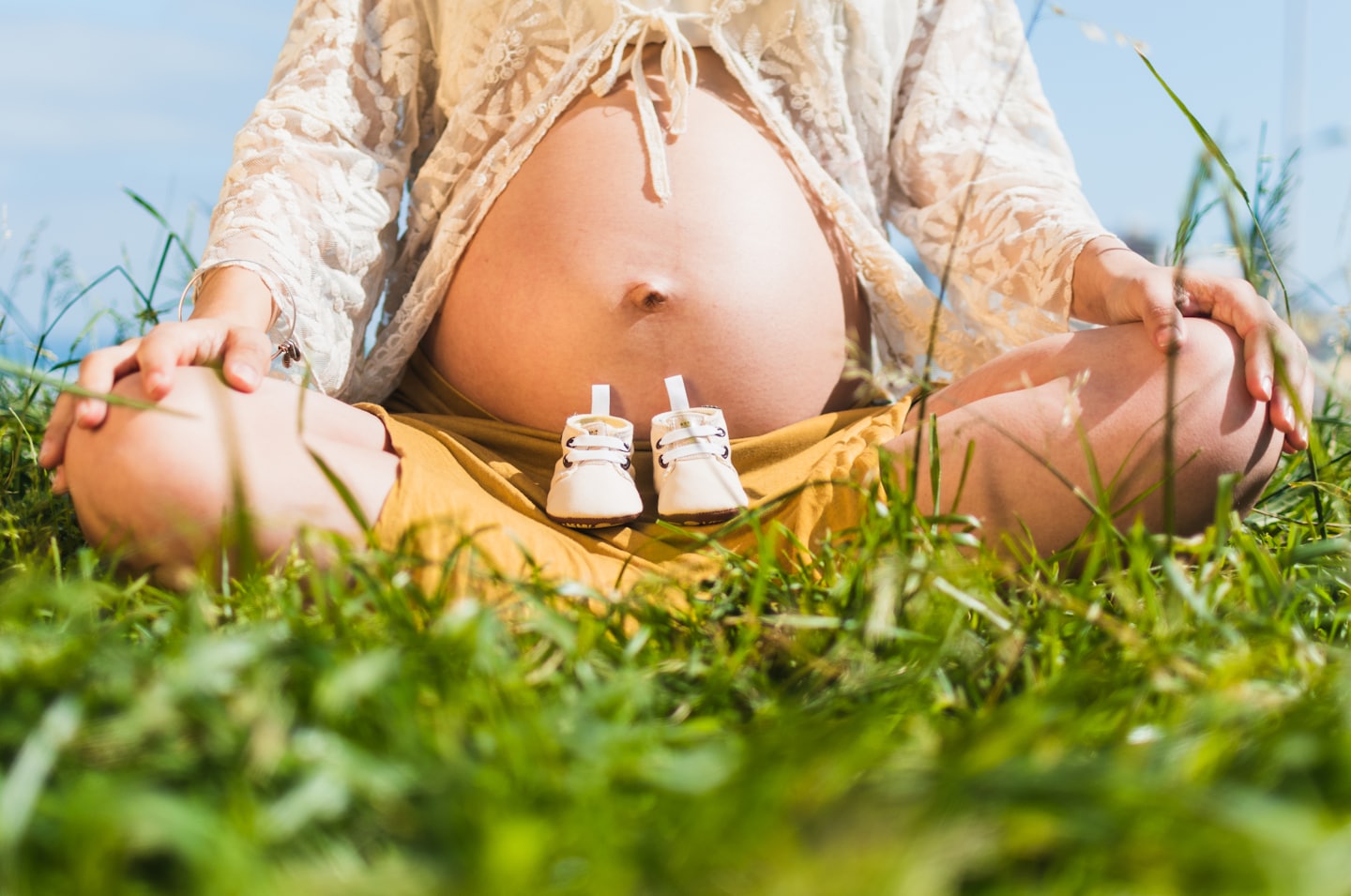
Mastering breathing techniques during labor can offer significant benefits for managing pain and enhancing the overall birthing experience. Controlled breathing helps to reduce tension and anxiety, promoting relaxation and allowing the body to work more efficiently. It can also improve oxygen flow to both mother and baby, supporting endurance during contractions. Additionally, focused breathing provides a natural distraction from pain, empowering women to feel more in control and confident throughout labor. By practicing these techniques ahead of time, expectant mothers can prepare themselves to navigate labor with greater calm and resilience.
Child Pose – the calmness position
Child’s Pose offers numerous benefits for pregnant moms, providing gentle relief and promoting relaxation. This pose helps alleviate lower back pain, reduces stress, and improves circulation, making it especially supportive during pregnancy. It also encourages deep breathing and mental calmness, which can be valuable for managing pregnancy-related discomfort and anxiety.
Expectant mothers should approach Child’s Pose with mindfulness, using props like cushions or blankets for added comfort. By incorporating this restorative pose into their routine, pregnant women can enhance their overall well-being and prepare their bodies for the journey ahead. Reflect on these benefits and consider making Child’s Pose a regular part of your prenatal self-care.
Leave a Reply