
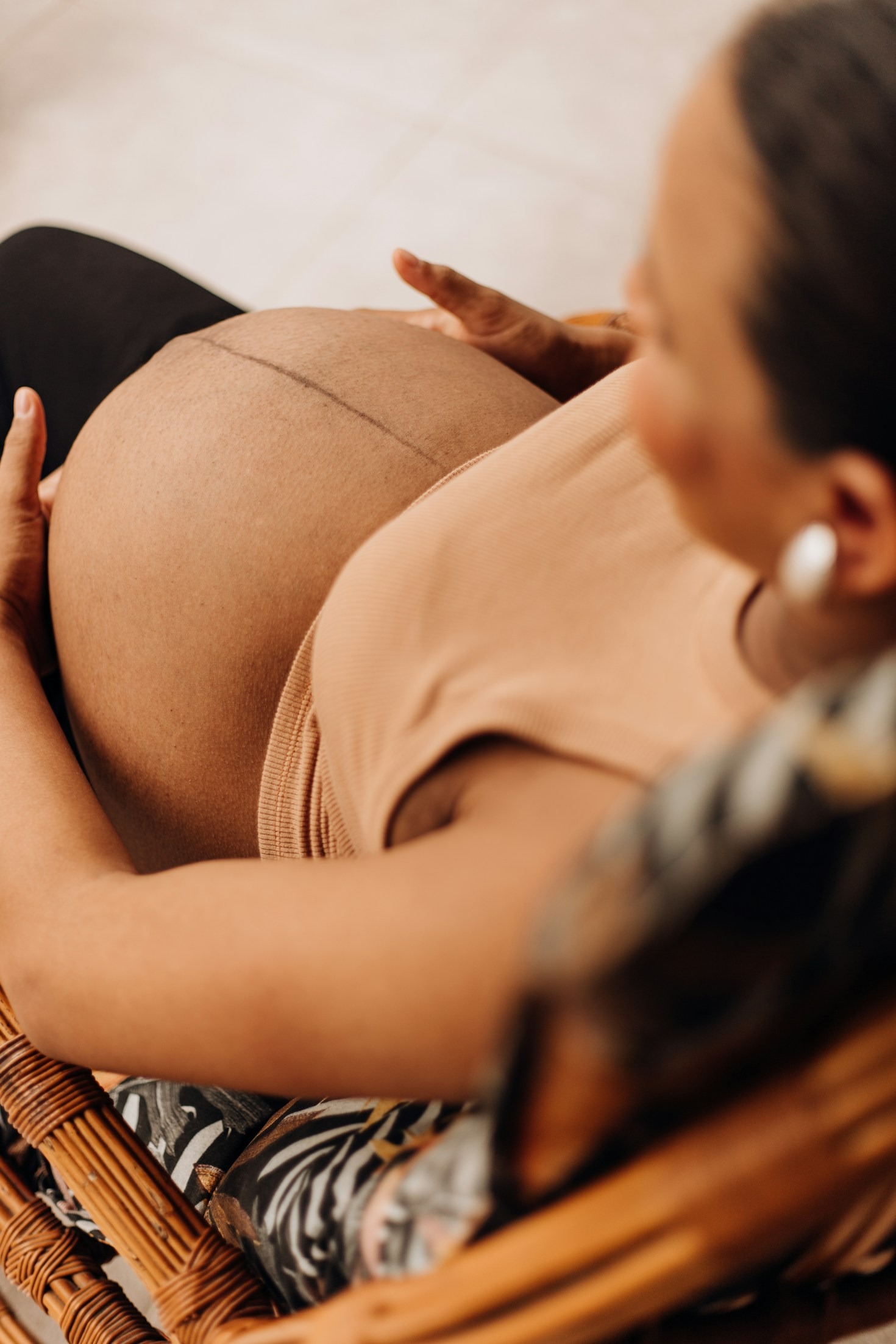
In ASEAN countries, postpartum treatment is a crucial aspect of maternal healthcare that often goes overlooked. This period following childbirth is vital for the recovery and well-being of new mothers, impacting both their physical and mental health. Understanding the importance of postpartum care can help reduce complications, promote faster healing, and support emotional stability during this transformative time. In this article, we will explore why postpartum treatment is essential in ASEAN nations, highlighting cultural, medical, and social factors that influence maternal health. By shedding light on this topic, we aim to emphasize the value of comprehensive postpartum care and encourage better practices across the region.
For Sabahan cultural society beliefs, eating right, keeping the whole body covered, wearing stockings at all times, eating all sorts of dishes with ginger, turmeric, and pepper, and inviting a “bidan,” also known as a postpartum masseuse, to the home are all common practices during the confinement period. Nowadays 2 options are all in build services under a confinement centre or choose a postpartum Doula .
Clinically, correct postpartum care involves several key guidelines to ensure the health and well-being of both the mother and the newborn. Initially, healthcare providers should monitor vital signs, uterine tone, and vaginal bleeding to detect any signs of complications such as hemorrhage or infection. Pain management and support for breastfeeding are essential components, with professionals offering advice on proper latch techniques and addressing common issues like engorgement or mastitis. Mental health screening is also crucial, as postpartum depression can significantly impact recovery; thus, regular assessments and referrals to counseling services are recommended.
Additionally, education on hygiene, nutrition, physical activity, and contraception options should be provided to promote overall recovery and prevent future pregnancy risks. Follow-up visits typically occur within six weeks after delivery to reassess physical and emotional health, ensuring any concerns are promptly addressed. This comprehensive approach helps facilitate a smooth transition during the postpartum period.
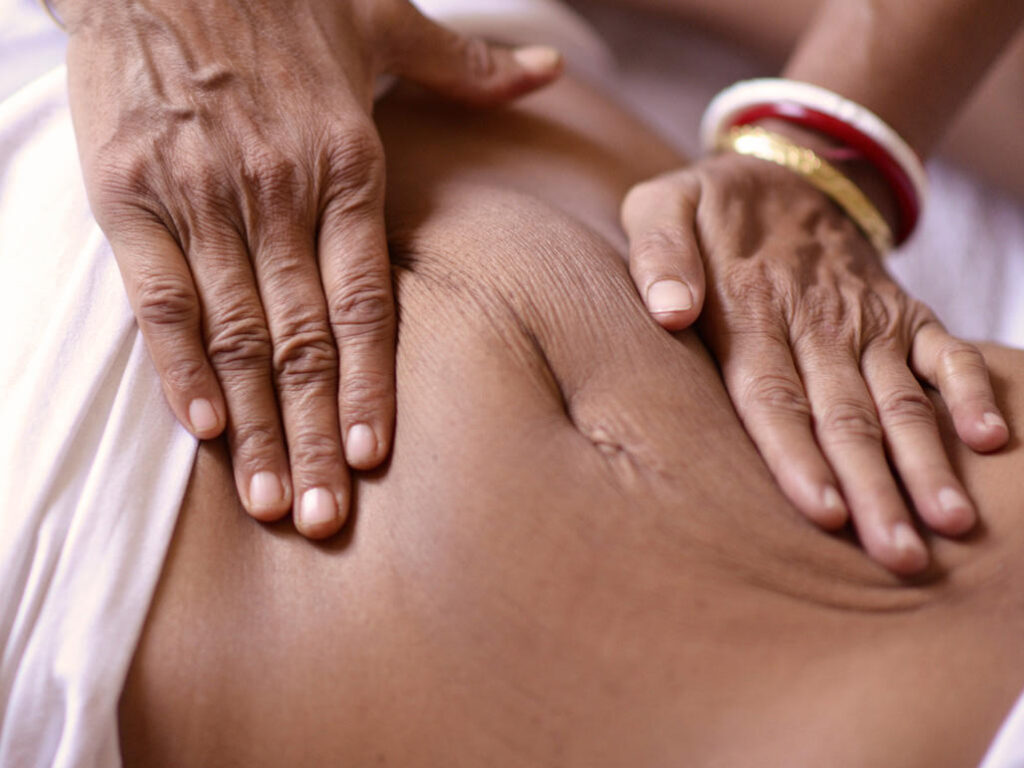

Belly massage during confinement should be avoided if you have any of the following health conditions:
- Recent abdominal surgery or cesarean section wound that is not fully healed
- Severe abdominal pain or discomfort
- Infection or inflammation in the abdominal area
- Hernia or abdominal muscle separation (diastasis recti) without professional guidance
- High blood pressure or preeclampsia
- Blood clotting disorders or deep vein thrombosis (DVT)
- Any signs of postpartum complications such as heavy bleeding or fever
Always consult with a healthcare provider before starting belly massage postpartum to ensure it is safe for your specific condition.
Can babies younger than 30 days old have a body massage?
Babies should not receive body massages if they have any of the following conditions: fever, skin infections or rashes, recent surgery or wounds, contagious illnesses, or any serious medical condition. Always consult a pediatrician before starting massage for a baby with health concerns.
Leave a Reply